AI systems need an owner after they go live.

Most businesses deploy AI and then leave it to run itself. It does not work that way. A Veloryn Operator stays embedded in your system to ensure it is adopted, governed, and continuously improved.

— The Operator Model —

An Operator isn't support. They're why your system keeps working.

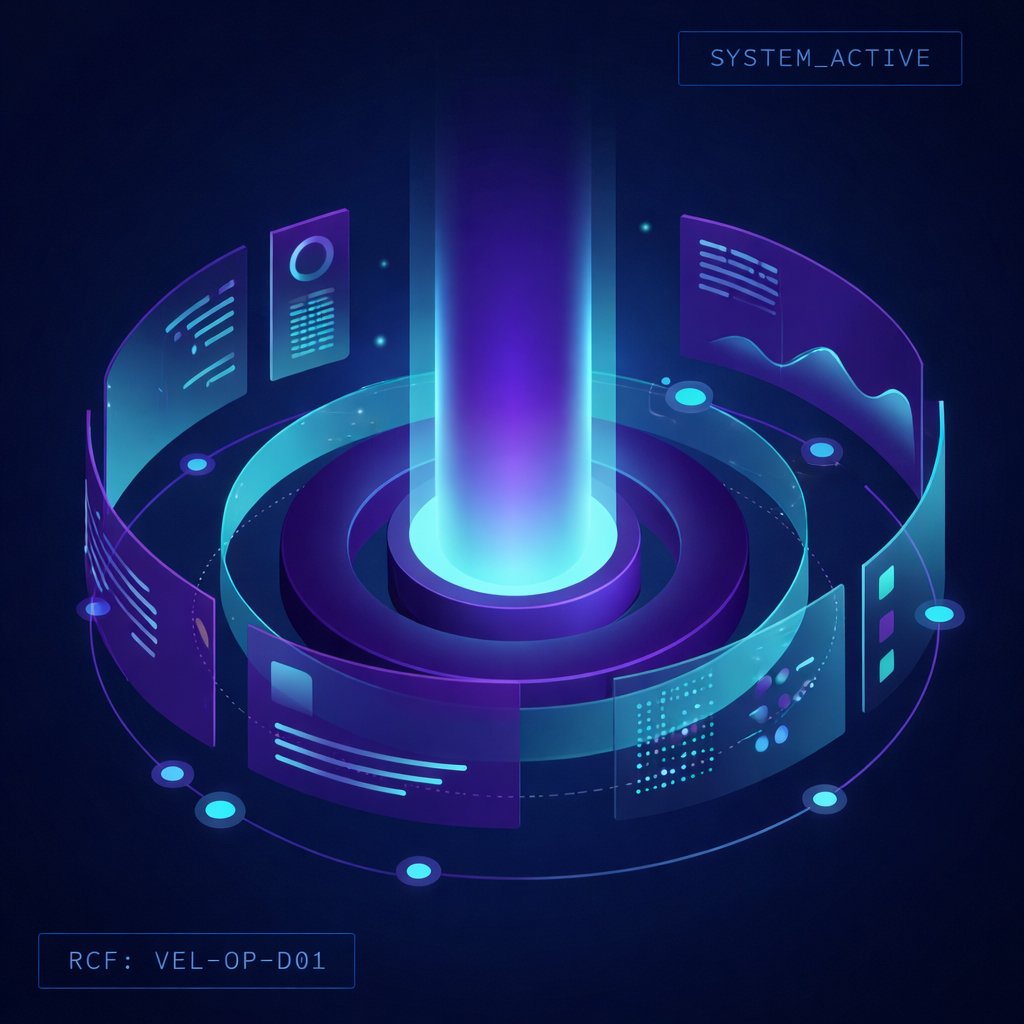
A Veloryn Operator is a specialist who stays embedded in your AI system after it goes live. Not to fix problems, but to make sure the system keeps performing, your team uses it consistently, and you keep getting more value over time. This is the gap most organisations miss, and it's usually why AI systems plateau. The Operator model closes that gap, without new hires or extra management on your end.

Veloryn Operator model — mobile view
— What They Do —

Every Operator focuses on the same three responsibilities, every cycle.

group

Ensure your team uses the system consistently and confidently.

Post-launch AI failure is rarely technical. It is human. Old habits return, workarounds emerge, usage drifts. Your Operator keeps adoption on track, working with your team, catching resistance early, and making the system part of how work gets done.

verified_user

Keep the system compliant, secure, and within defined controls.

Your Operator monitors the system against the controls and oversight framework from the build phase. Activity logs, approved actions, and clear escalation routes are maintained and reviewed regularly. Nothing drifts without being caught.

trending_up

Your system stays sharp and well-tuned as your business evolves.

Workflows change. Business priorities shift. New opportunities emerge. Your Operator works with Veloryn to flag what needs updating, upgrade agent performance, reduce errors and workarounds, and expand coverage into new areas as you grow.

— Why It Matters —

Without ownership, AI systems drift and stop delivering.

Many AI deployments show early promise and then plateau. Usage declines, controls weaken, and performance drifts until the system exists but no longer delivers. The Operator model is designed to prevent exactly that, keeping the system operational, controlled, and improving well beyond initial deployment. That is the difference between a one-time project and a capability that genuinely lasts.

Veloryn Operator — why it matters — mobile view
— How It Works —

The Operator model runs on a defined schedule so nothing is left to chance.

Your Operator works on a structured 90-day cycle aligned with Veloryn's Operating System Lifecycle Management (OSLM), covering performance review, targeted improvements, governance checks, and planning for the next phase of improvement or expansion. Throughout each cycle you have full visibility into what changed, why it changed, and what results it delivered.

analytics
Phase 1

Performance Review

A clear look at how the previous 90 days performed and where there is room to improve.

auto_fix_high
Phase 2

Targeted Improvements

Specific improvements are made based on what the review found. Deliberate and measurable.

gavel
Phase 3

Governance Checks

Everything is reviewed against the controls and boundaries set from the start. Nothing drifts unnoticed.

strategy
Phase 4

Planning

The next cycle is scoped based on what is working and where the system should go next.

update

Continuous Cycle

Every 90 days, the cycle repeats. The system keeps improving.

visibility

Total Visibility

You always know what changed, why it changed, and what it delivered.

— Get Started —

Want to know if the Operator model is right for your business?

Book a 30-minute Ops Audit. We will look at where you are, what you need, and whether an embedded Operator is the right fit for your situation.